
 Checked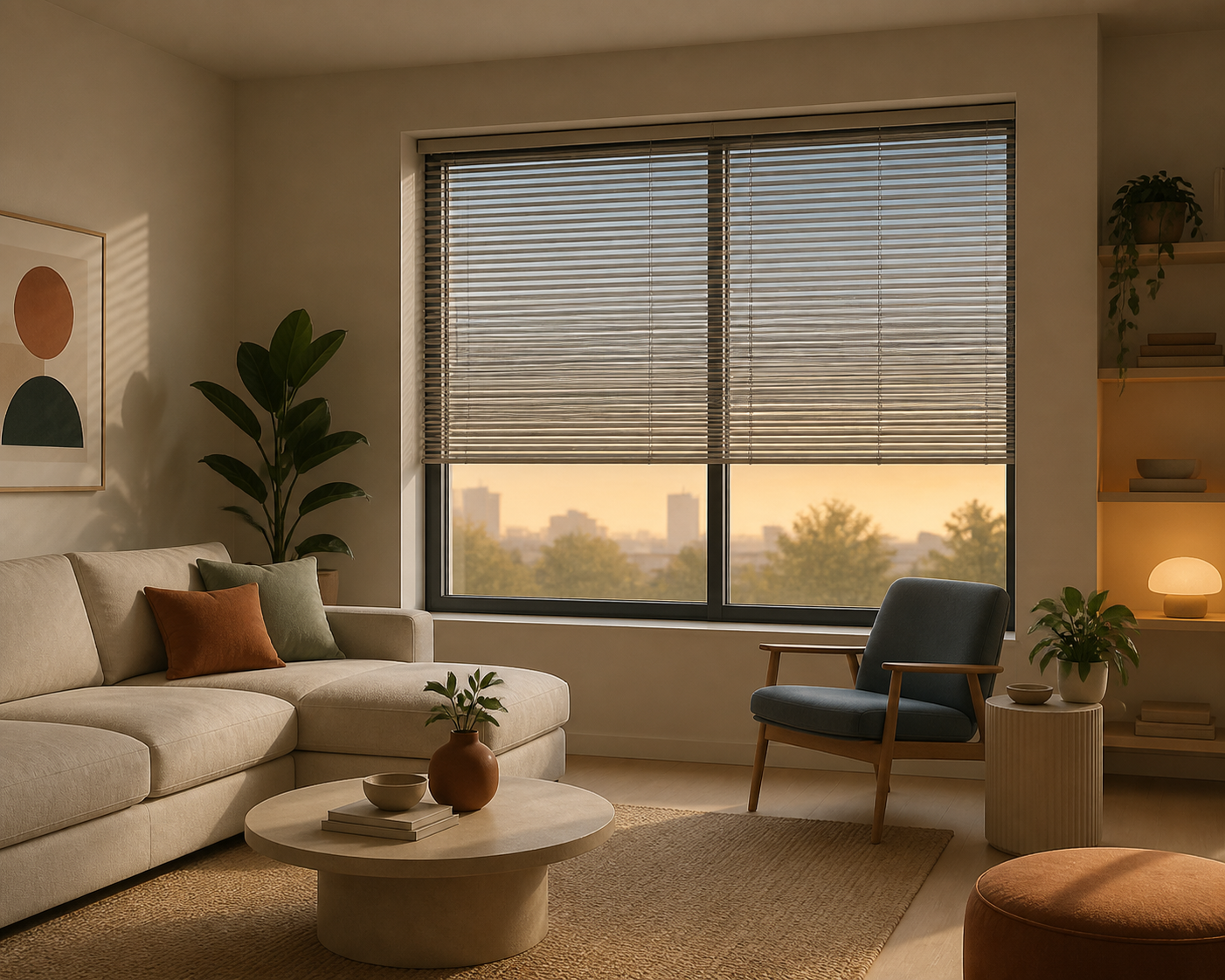
Shading and ventilation work together
Close shutters, exterior blinds or awnings before direct sunlight reaches the glass. Outside shading is most effective. It reduces heat gain, but it does not replace a supply of fresh air.
An empty home can stay mostly closed during the day when it is hotter outside. In an occupied home, however, people continuously add heat, moisture, carbon dioxide and other indoor pollutants. A blanket rule such as “only open windows when it is cooler outside” can therefore be risky in small, airtight or crowded rooms.
Why this matters for older people
Older adults and people with chronic illness or care needs are especially vulnerable to heat. High humidity and still air also make it harder for the body to cool itself through sweating. WHO reports a substantial rise in heat-related mortality among people over 65.
The building matters too. A UK modelling study estimated that keeping windows closed could increase heat-related mortality risk by 29–64% depending on the dwelling; the modelled increase was even higher in some homes occupied by older people. This is not a direct clinical causal study, but it is a strong warning that lack of usable ventilation is not harmless.
Make the decision safely
- Block the sun: Close exterior shading early.
- Use cooler hours: Open windows widely at night and early morning, with cross-ventilation where possible.
- Watch occupied rooms: If air is stuffy, humidity is high, there are odours, cooking, showering, several people or elevated CO₂, ventilate briefly and thoroughly even when it is warmer outside.
- Keep systems running: Do not switch off mechanical fresh-air or extract ventilation because of the heat; use summer mode if available.
- Consider outdoor air: During smoke, ozone peaks or heavy traffic, ventilate at cleaner times or from the cleaner side of the building.
A CO₂ monitor and thermometer are more useful than touch alone. A fan moves air and can support evaporation, but it does not provide fresh-air exchange.
Protect vulnerable people
Do not leave an older or ill person alone with a sealed, overheating home. Check temperature and air quality, offer drinks regularly and arrange access to a cooler place when needed.
Confusion, fainting, severe weakness, dizziness or very high body temperature can signal acute heat illness. Move the person to a cool place, cool their body and call emergency services.
The safe rule is: keep sunlight out, limit indoor heat and maintain enough fresh-air exchange.
Sources
Selected references used to verify or support this tip.
- Korrektes Lüften und Heizen Bundesamt für Gesundheit BAG · government
- Heat and health World Health Organization · other
- Systematic review on the effect of indoor heat on health WHO Housing and Health Guidelines / NCBI · other
- Adverse Weather and Health Plan: Supporting evidence — indoor air quality and heat UK Health Security Agency · government
- Beat the heat: keep cool at home checklist UK Health Security Agency · government
- Estimating the Influence of Housing Energy Efficiency and Overheating Adaptations on Heat-Related Mortality University College London · other
- Warum Sie trotz Hitze lüften sollten — Debattenbeitrag von Jörg Kachelmann Tages-Anzeiger · other